

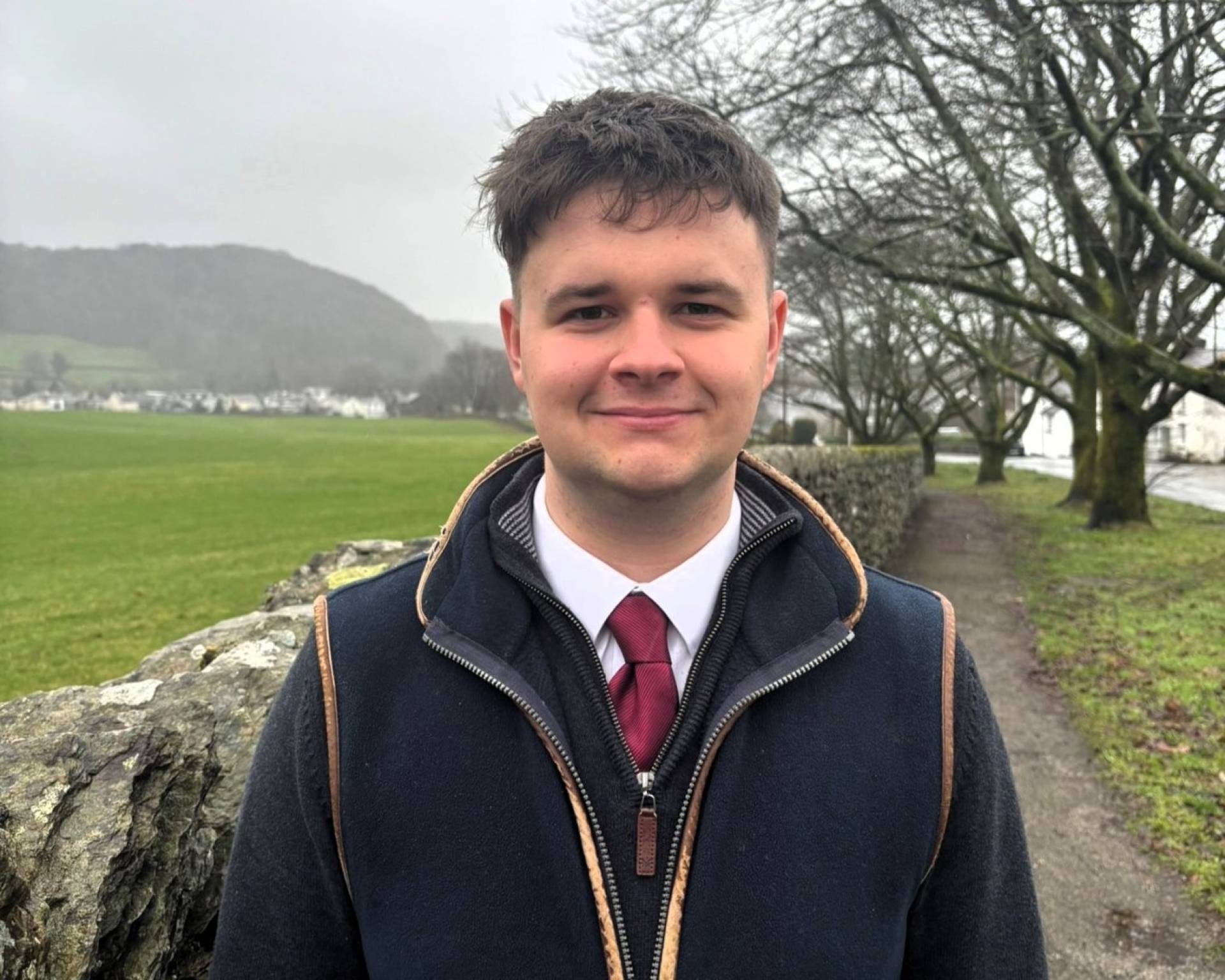
At a time of considerable uncertainty for farming businesses, George Carney, Rural Surveyor at H&H Land & Estates reflects on what resilience really looks like across the North of England.
Resilience is the word of the moment in farming. It headlined the NFU Conference last month and has featured in almost every policy speech so far in 2026. It is a theme that will ring true with every farmer and landowner across the country.
Currently within the farming sector, there is no shortage of concern, but neither is there panic. April's reforms to Agricultural Property Relief and Business Property Relief are now only weeks away. The December concession, raising the combined threshold to £2.5 million per spouse, was welcomed, however, for larger, productive units, rising land values mean exposure can still exceed the revised threshold.
What I am finding encouraging, however, is that farming families are responding proactively. Succession conversations are happening earlier than ever before and more families, often for the first time, are sitting around the kitchen table, reviewing ownership structures, exploring gifting strategies and transferring land to the next generation. This is much sooner than would historically have been the case. Reflecting the growing need for accurate, defensible figures when planning ahead, instructions for RICS Red Book Valuations have increased significantly. The IHT deadline has focused minds and whilst the policy remains deeply flawed, it has prompted exactly the kind of long-term financial planning that family farm businesses need.
The challenge of building income resilience is perhaps where it becomes more challenging. For upland sheep and beef farmers, environmental policy continues to offer more frustration than clarity. The sudden closure of the Sustainable Farming Incentive last spring left many businesses without revenue support at a critical time. Many upland farmers remain locked into legacy Entry and Higher Level Stewardship agreements and whilst some payment rates were increased in 2025, they bear little comparison to what is now available under Countryside Stewardship Higher Tier. The hard reality is that some businesses are having to find ways to remain viable without direct Government support, something which is far easier said than done. Invisible to policymakers, this I know is resilience in its truest form.
In other farming sectors, we are seeing businesses taking matters into their own hands. We have assisted several dairy enterprises in securing funding through the Improving Farm Productivity Grant for robotic milking installations. These projects are a direct response to the very real shortage of agricultural labour and represent a long-term commitment to productivity at a time when it would have been easier to do nothing. Slurry Infrastructure Grant agreements are also coming through, enabling businesses to achieve six months' storage capacity. This is progress; however, it is worth noting that many of these agreements have taken twelve to eighteen months to process and have arrived at a time when softening milk prices make financing the match-funding harder than anticipated.
Rural estates are demonstrating their own form of adaptability. A number of estates local to us and within the Lake District National Park have moved towards a holiday-let model, drawn by stronger income returns and mindful of the implications the impending Renters' Rights Bill carries for longer-term tenancies. Holiday lets are not without their own complexities, but the willingness to reassess and restructure is, in itself, a marker of resilience.
Through all of this, the land market has remained a steady constant. Farmers and landowners continue to place their faith in land and why wouldn't they? There will never be any more of it. The anticipated surge of sales following last year's Budget has not quite materialised and demand, whilst selective, remains solid.
2026 will test the farming community as much as any year in recent memory. What gives us confidence is not the policy announcements, it is what we see happening quietly, on the ground, each and every day.